Breathing Techniques That Enhance Your Massage
Massage therapy is a powerful tool for relaxation, recovery, and body awareness. However, its effects can be significantly amplified when the client actively participates in the process. One of the most essential — and often overlooked — elements of this participation is conscious breathing.
From a physiological standpoint, breathing patterns directly influence the nervous system, muscle tone, and the body’s ability to enter a deep state of relaxation. When skilled manual techniques are combined with intentional breathing, an internal environment is created that supports the release of physical and emotional tension.
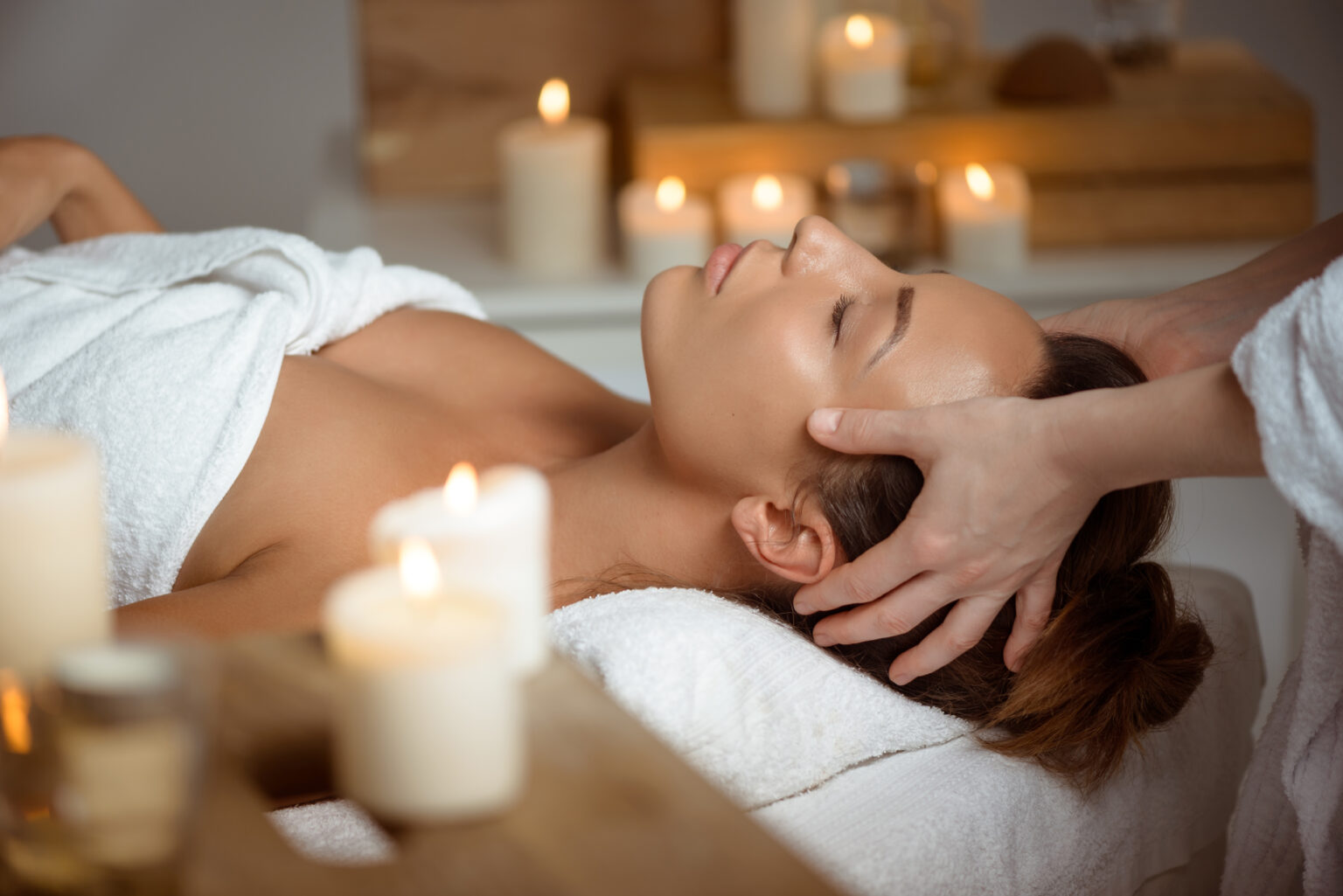
Breathing acts as a bridge between the body and the nervous system. During a massage session, slow and controlled breathing helps shift the body out of a constant state of alert and into a mode of rest and restoration.
In this state, the body becomes more receptive to touch. Muscular resistance decreases, protective patterns soften, and the massage can work more effectively on deeper layers of tissue.
Benefits of conscious breathing during massage:
- Reduced heart rate and blood pressure
- Lower cortisol levels (stress hormone)
- Decreased muscle tension
- Increased body and sensory awareness
- Greater sense of safety and relaxation
Deep abdominal breathing (diaphragmatic breathing)
Deep abdominal breathing, also known as diaphragmatic breathing, is one of the most well-researched techniques for promoting relaxation within the body. This breathing pattern activates the parasympathetic nervous system, which is responsible for rest, digestion, and tissue repair.
During a massage, diaphragmatic breathing helps the body settle into the table, reducing unconscious resistance and allowing the therapist’s touch to reach deeper layers of tissue. It supports a state of calm in which the body no longer needs to protect itself.
By gently stimulating the vagus nerve, this form of breathing encourages a sense of safety, slowing the heart rate and calming the mind.
Step-by-step guide:
Sit or lie comfortably, keeping your spine straight.
Place one hand on your chest and the other on your abdomen.
Inhale slowly through your nose, directing the breath down into your belly. Your abdomen should rise gently while your chest stays relaxed.
Exhale slowly through your nose, feeling the abdomen fall naturally. Think of releasing air from a balloon gradually.
Repeat for 5–10 breaths, focusing on the expansion and contraction of your abdomen.
Slow, extended exhales
Research indicates that the length of the exhale plays a key role in nervous system regulation. Longer exhales signal to the brain that there is no immediate threat, allowing muscle tension to gradually ease.
A practical method is to inhale for a count of four seconds and exhale slowly for six to eight seconds. During a massage, extended exhales help the body transition out of heightened alertness, making this practice particularly helpful for individuals who experience anxiety or difficulty relaxing.
Step-by-step guide:
Sit or lie comfortably.
Inhale slowly through your nose for a count of 4 seconds.
Exhale gently and steadily for 6–8 seconds, letting your body soften with each breath.
Repeat for 5–10 cycles, paying attention to areas of tightness as they gradually release.
Breathing into areas of tension
Certain areas of the body may feel more sensitive or restricted during a massage. In these moments, holding the breath often increases muscular guarding. A more effective therapeutic approach is to direct the breath intentionally toward areas of tension.
By visualizing the breath creating space, warmth, and softness, the tissue becomes more receptive to touch. This practice enhances proprioception, reduces protective reflexes, and supports the gradual release of tight or overworked muscles.
Step-by-step guide:
Identify a tense area (e.g., shoulders, neck, or lower back).
Inhale slowly, imagining the breath moving directly into that area, creating warmth and space.
Exhale slowly, visualizing the tension softening and releasing.
Repeat for several breaths, maintaining focus on the area and allowing it to become more pliable.
Breath awareness and bodily presence
Mindful awareness of the breath is a simple yet powerful way to remain present during a massage session. From a therapeutic perspective, this reduces excessive mental activity and strengthens the mind-body connection.
When attention is anchored in the breath, touch is perceived more clearly, the nervous system organizes itself more efficiently, and the effects of the massage tend to last longer.
During the massage, you can:
Bring attention to your natural breath without trying to change it.
Observe how it flows in and out of your body.
If your mind wanders, gently return your focus to your breath.
Combine this awareness with noticing sensations in your body, especially in areas being massaged.
Less thinking. More sensing. Greater integration.
Final Considerations: Breathing as an Educational and Therapeutic Tool
Breathing is not merely a complement to massage — it is an active component of the therapeutic process. When conscious breathing, skilled touch, and presence come together, the body enters a state of safety where true relaxation and regulation can occur.
From an educational perspective, understanding the role of breath empowers individuals to participate more fully in their own well-being. Simple practices such as slowing the breath, extending the exhale, and cultivating awareness can have profound effects, both during a massage and in daily life.
The body possesses an innate capacity for self-regulation. Conscious breathing is one of the most accessible tools for activating this intelligence and supporting lasting balance and relaxation.
NEW LEVEL OF RELAXATION
Feel Better and Restore Your Energy
Discover therapies designed to restore balance, ease tension and reconnect your body with a deeper sense of calm.